
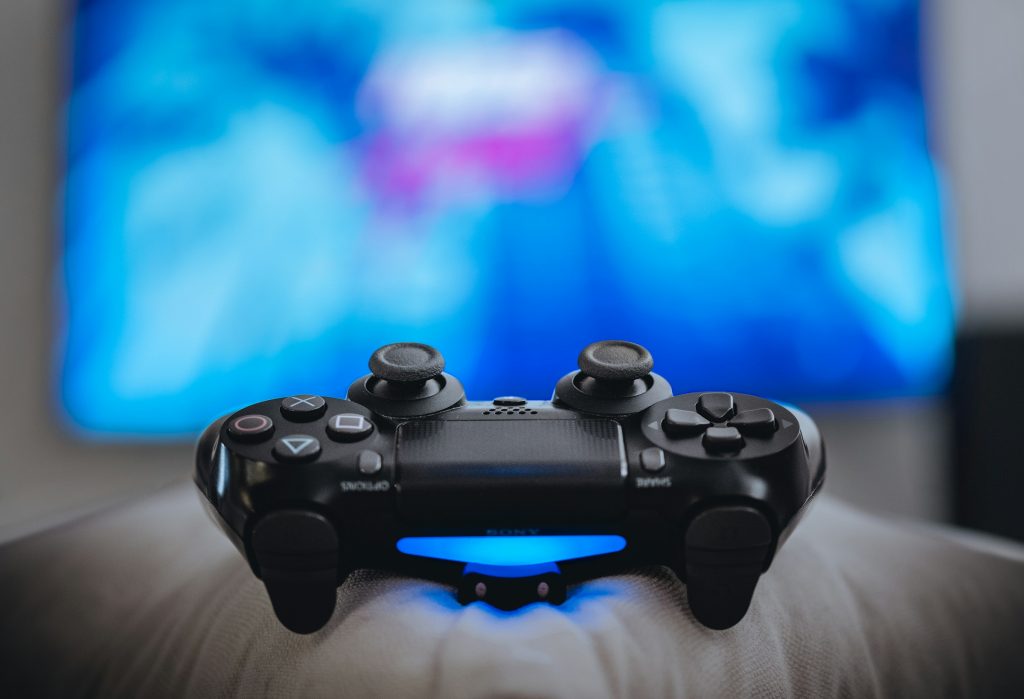
Games have long been cherished for their ability to entertain and challenge the mind. Beyond their recreational value, games are increasingly recognized for their therapeutic benefits, aiding in physical, cognitive, and emotional rehabilitation. Let’s explore the therapeutic power of games and their applications in healthcare and wellness.
Understanding Therapeutic Games
Therapeutic games are designed with specific therapeutic goals in mind, leveraging gameplay mechanics to promote physical, cognitive, or emotional well-being. These games are used in various settings, including hospitals, rehabilitation centers, schools, and mental health facilities, to support patients’ recovery and enhance their quality of life.
Physical Rehabilitation
In physical rehabilitation, games are used to encourage patients to engage in repetitive exercises and movements necessary for recovery from injuries or surgeries. Motion-based games, such as those using virtual reality (VR) or motion controllers, provide interactive feedback and motivation, making rehabilitation exercises more enjoyable and engaging.
For example, VR games can simulate real-world environments for patients recovering from stroke or mobility impairments, allowing them to practice activities of daily living in a safe and controlled setting. Gamified exercise programs also help individuals maintain fitness levels and adherence to rehabilitation regimens outside clinical settings.
Cognitive Enhancement
Games are valuable tools for cognitive rehabilitation, particularly in individuals recovering from neurological conditions such as traumatic brain injury, stroke, or dementia. Cognitive training games focus on improving memory, attention, problem-solving, and executive function skills through structured challenges and puzzles.
Mobile apps and computer-based programs offer personalized cognitive exercises tailored to each patient’s needs and progress. These games track performance metrics over time, allowing healthcare professionals to adjust treatment plans and monitor cognitive improvements effectively.
Emotional Well-being
Games can also support emotional well-being by providing stress relief, promoting relaxation, and fostering social connections. Casual games, such as puzzles and simulation games, offer therapeutic benefits through their calming gameplay mechanics and immersive storytelling.
Virtual environments and social simulation games provide opportunities for individuals with social anxiety or autism spectrum disorders to practice social skills and build confidence in interpersonal interactions. Online multiplayer games offer a sense of community and camaraderie, reducing feelings of loneliness and isolation among players.
Future Directions
As technology continues to advance, the potential for therapeutic games to impact healthcare and wellness is vast. Innovations in artificial intelligence (AI) and machine learning enable adaptive game systems that respond to users’ abilities and preferences in real-time, optimizing therapeutic outcomes.
Furthermore, the integration of biometric sensors and wearable devices with gaming platforms allows for real-time monitoring of physiological responses, enhancing personalized treatment approaches. The gamification of mental health interventions, such as mindfulness training and stress management techniques, shows promise in addressing modern health challenges.
Conclusion
In conclusion, games are more than just entertainment—they are powerful tools for healing and rehabilitation across physical, cognitive, and emotional domains. The therapeutic benefits of games continue to be explored and validated through research, paving the way for innovative applications in healthcare, education, and wellness.